Why You Don’t Want to Miss the Fine Print if You Are the Seller.
Let’s be honest—real estate contracts aren’t exactly beach reading. They’re dense, long, and full of phrases that sound like they were written by a team of lawyers (because they were). But if you’re about to sign an Offer to Purchase Agreement, there’s one very good reason to slow down, grab a highlighter, and actually read the fine print.
Here’s the deal: buried in most standard real estate contracts is a clause many sellers don’t even realize exists—the 10% damages liability clause. Translation? You, the seller, could be on the hook for up to 10% of the purchase price if certain damages happen before closing.
Wait, What Kind of Damages?
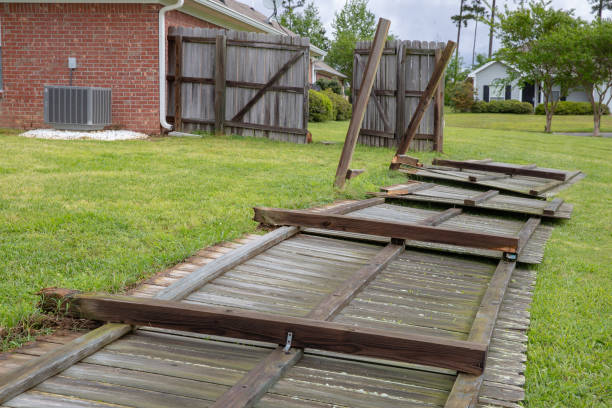
Think unexpected disasters—say, a burst pipe not covered under insurance, or a wayward raccoon tearing through the attic (yes, it happens). It may be a privacy fence blown down by a windstorm – again maybe not covered by your insurance. If these issues arise before closing but after the contract is signed, and you’re the seller, you may be required to cover the cost—up to 10% of the home’s value.
This clause is designed to protect the buyer from walking into a mess they didn’t agree to. But many sellers skim past it or never even hear it mentioned. That is, until they get the bill.
Check your homeowner’s policy and find out what is really covered. The privacy fence, the pool, the elaborate landscaping? The clause does not limit the kind of incidents you need to repair. The house has to be as it was when the buyer put in the offer!
🛑 Seller Alert: Common Everyday Damages Not Covered by Standard Homeowners Insurance
Before closing on your home sale, keep an eye out for these all-too-common issues that insurance usually won’t cover—but buyers may still expect you to fix:
✅ Tree root damage to sidewalks, driveways, or foundations
✅ Sewer or drain backups flooding the basement
✅ Damage to detached structures from wear or wind (sheds, fences)
✅ DIY repairs that fail (e.g., leaky roofs, amateur electrical fixes)
✅ Old appliances leaking and damaging floors
✅ Peeling paint or ceiling stains from old water issues
✅ Cracked driveways or sidewalks from settling
✅ Foggy or failed window seals (condensation between panes)
✅ Garage door malfunctions due to age or wear
✅ Scuffs, scratches, or wall damage from early move-out
💡 Tip: Review your homeowners policy and fix or disclose these issues upfront. It’s better than losing part of your sale—or up to 10% in damages—right before closing
When This Becomes a Real Problem
In particular, it will be a problem for a seller who is on a limited budget without a lot of resources. Making the repair and then moving might be too much of a financial burden.
Ask yourself this question: Would you stay in your home before you pay up to 10% of your home’s value in repairs to close the deal? That could mean $25,000, $30,000 or more based on today’s home values.
Why This Catches People Off Guard
A lot of folks assume once the house is under contract, it’s basically “hands off.” But that’s not the case. Until the deal closes, the property—and its problems—are still your responsibility. That’s why it’s so important to read the agreement carefully, or better yet, review it with a trusted real estate agent or attorney.
What You Can Do
- Read the entire agreement before signing. Yes, it’s long. No, it’s not optional.
- Ask questions—especially about the “Damage Before Closing” section.
- Clarify insurance coverage. Make sure your homeowner’s insurance is active and sufficient through the closing date.
- Keep the home in tip-top shape until keys are exchanged. Buyers can and do walk away if damage isn’t addressed.
The Bottom Line
That Offer to Purchase Agreement isn’t just paperwork—it’s a legally binding contract that could cost you thousands if you’re not careful. Don’t let a clause you didn’t notice turn your sale into an expensive surprise. Take the time to read, ask, and understand what you’re agreeing to.
It’s your house, your deal, and—until closing—your liability.
Discover more from Keller Williams Agent Cleveland Ohio
Subscribe to get the latest posts sent to your email.

You must be logged in to post a comment.